


As we enter the new year, we’re excited to share the Q4 updates from the LitmusChaos community. Over the past few months, the chaos engineering ecosystem and the LitmusChaos community have continued to grow steadily, driven by strong participation, thoughtful contributions, and meaningful collaboration across the globe.
This blog captures the highlights from October, November, and December, bringing together key project updates, community initiatives, contributor activities, and ecosystem developments around LitmusChaos. Our goal is to keep the community informed, celebrate the work happening across the project, and reflect on the collective progress made during the quarter.
About LitmusChaos
LitmusChaos is an open source chaos engineering platform that helps teams identify weaknesses and potential outages in their infrastructure by running controlled chaos experiments. Built on cloud-native principles, LitmusChaos enables teams to validate system resilience and proactively strengthen their DevOps pipelines against real-world software and infrastructure failures.
Started in late 2017 with a focus on simple chaos jobs for Kubernetes, LitmusChaos became a CNCF Sandbox project in 2020 and was promoted to a CNCF Incubating project in January 2022. Today, the project is maintained by contributors from multiple organizations across cloud-native vendors, solution providers, and end users.
LitmusChaos is used in production by organizations worldwide, including companies such as Adidas, FIS, iFood, Cyren, Intuit, Lenskart, Orange, as well as technology leaders like Red Hat and VMware.
Project Updates & Releases
Release 3.24.0 (December 2025)
The latest release introduces significant enhancements to user experience and system stability. For more details, check out the release.
Key Highlights:
- Enhanced experiment management with editable step names in fault settings, giving users better control over their chaos experiments
- Improved ChaosHub customization capabilities, allowing teams to better tailor their chaos engineering workflows
- Fixed critical UI issues, including blank page rendering in experiment run history and caching problems in the overview page
- Added Kubernetes branding updates and refined the visual interface by removing deprecated elements
- Enhanced image registry flexibility with support for empty registry names
New Contributors: @LipsaDas0710, @Kamalesh-Seervi, @Poswark, @1spyral, @SharanRP
Release 3.23.0 (November 2025)
A security-focused release that also brought significant documentation improvements and UI enhancements. For more details, check out the release.
Key Highlights:
- Critical security patches addressing multiple CVEs, including authorization bypass vulnerabilities (CVE-2024-45337, CVE-2025-22868, CVE-2025-22869)
- Strengthened JWT secret generation with increased salt length for improved authentication security
- Enhanced chaos probe functionality, allowing probes with the same name across different projects
- Major documentation updates, including new AWS SSM and GCP experiment coverage
- Visual refresh across the platform with updated cloud provider logos (AWS, Azure, GCP, Spring Boot) and improved UI consistency
- Fixed image registry issues and improved error handling for command probes
New Contributors: @thisis-gp, @Coder-pro1, @Devankguptaa, @VIDHITTS, @72umesh, @khushi1310, @Ayushi-Maurya2904, @harshneyy, @kunalsinghdadhwal, @Avirup-001, @yashgoyal0110, @adi-ray
Release 3.22.0 (October 2025)
Focused on security hardening and operational improvements. For more details, check out the release.
Key Highlights:
- Critical security fixes addressing namespace compromise via hostPID and potential denial of service vulnerabilities
- Improved resource management with restrictions on CPU/memory usage
- Enhanced log visibility with fixes to fault execution container logs
- Resolved the missing experiment pod logs issue, improving debugging capabilities
- Removed hardcoded namespaces from Kubernetes manifests for better flexibility
- Fixed server address scheme handling for manifest re-downloads
New Contributors: @prateekch33, @zyue110026, @PriteshKiri, @Gmerold, @UJESH2K, @harshit12339
Across these three releases, Litmus Chaos welcomed 28 new contributors, demonstrating strong community momentum. The quarter emphasized security hardening, user experience improvements, and enhanced customization capabilities while maintaining the platform’s commitment to comprehensive chaos engineering tooling.
Innovation Spotlight: LitmusChaos MCP Server
October marked a watershed moment for LitmusChaos with the release of our Model Context Protocol (MCP) Server – a revolutionary integration that brings natural language interfaces to chaos engineering.
What is the LitmusChaos MCP Server?
The LitmusChaos MCP Server leverages Anthropic’s Model Context Protocol to enable AI assistants like Claude to interact directly with LitmusChaos through natural language. This integration transforms how teams approach chaos engineering by removing technical barriers and making resilience testing accessible to everyone.
Hacktoberfest 2025 (The Month of Open Source)
Hacktoberfest has always been special for LitmusChaos, and this year, we made it even bigger. The community came together to contribute to LitmusChaos and Litmus Docs, improving the project’s security, user experience, and accessibility with Litmus 4.0.
Here’s what we achieved together in October:
- GitHub Stars: 112+ new stars
- 23 new contributors to the Litmus repository
- 18 new contributors to the Litmus Docs repository
These numbers reflect the incredible passion our contributors showed throughout Hacktoberfest. A big shoutout to everyone who helped strengthen LitmusChaos through code, docs, and discussions!
In-Person Meetup Events
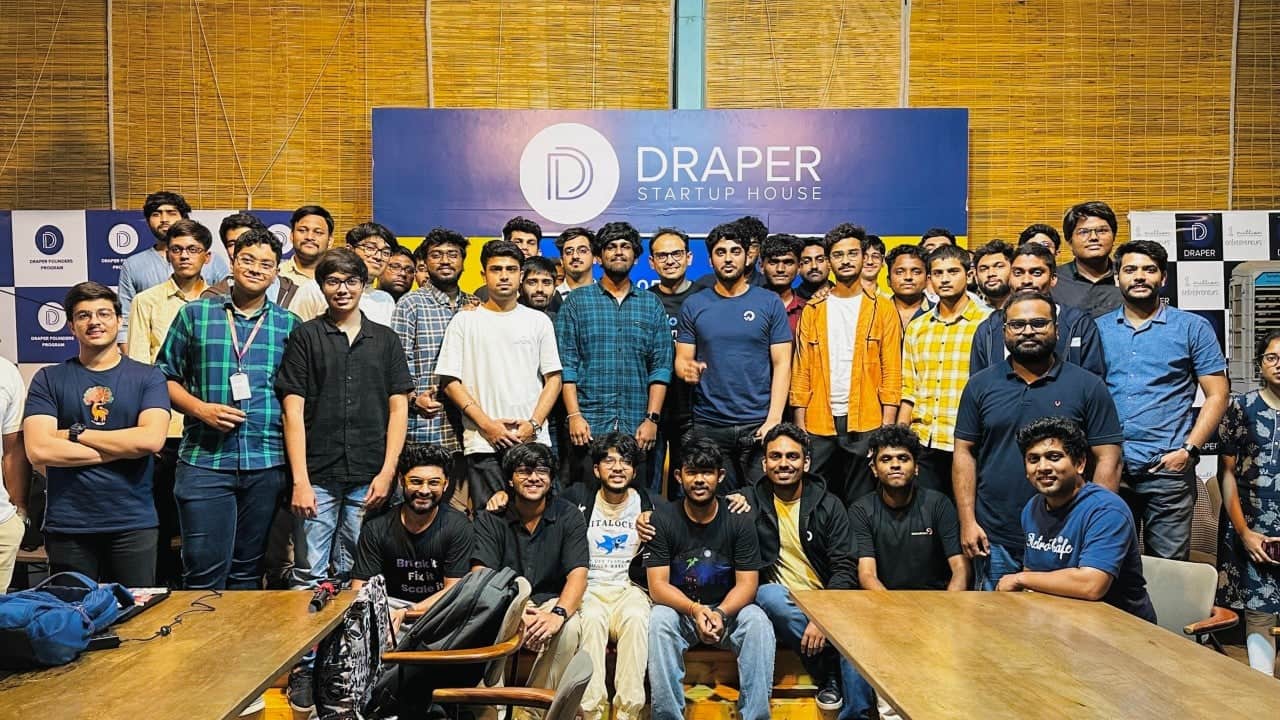
This quarter, we hosted 3 in-person meetups in Bangalore and Hyderabad.
LitmusChaos x Hacktoberfest Meetup – Bangalore (October 4)
We kicked off October with an incredible gathering, welcoming more than 130 attendees who came to celebrate open source and learn about chaos engineering. Check out a snapshot of the event here.

Hacktoberfest Hyderabad Meetup (October 11)
We hosted an additional Hacktoberfest meetup in Hyderabad that continued to bring together passionate open-source enthusiasts. You can see a short video of the event here.
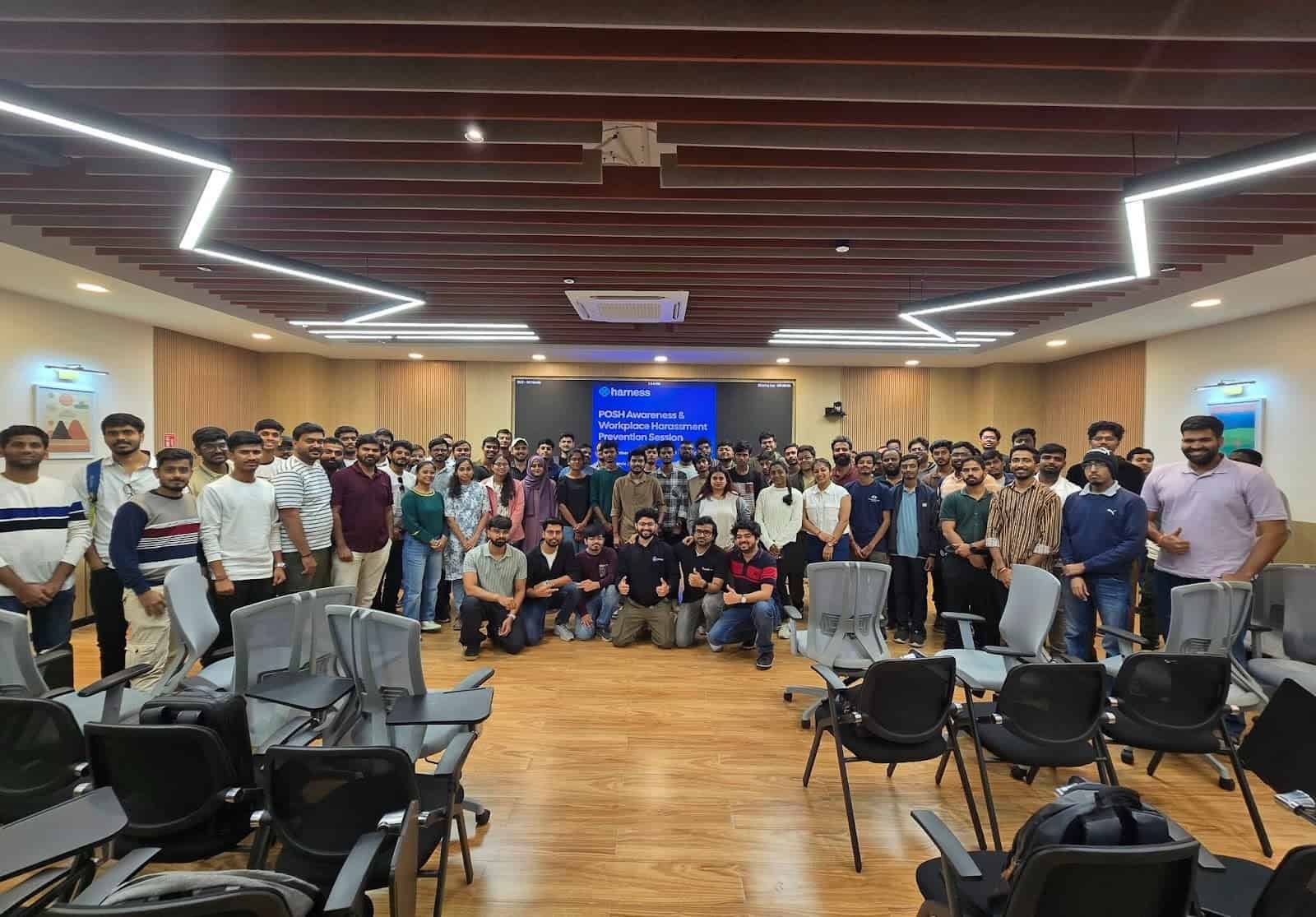
Resilience and Chaos Testing Meetup (December 6)
The energy in the room was incredible for the first meetup that I’ve hosted around Chaos and Resilience testing, and the feedback from the community was amazing. You can read more about the event here.
Latest from the LitmusChaos Community
User Stories:
Here is a sneak peek into the adopter story presented by Intertech on how they are using LitmusChaos:
Intertech, Turkey’s largest financial technology software company, uses Litmus to proactively ensure the resilience of its critical banking infrastructure. Integrated into their SRE practices on a Kubernetes-based platform, Litmus enables Intertech to run chaos experiments such as pod failures, network latency, and resource stress to validate system behavior under real-world failure scenarios. By leveraging Litmus’ Kubernetes-native and customizable chaos engineering framework, Intertech has strengthened incident response readiness and improved the overall reliability of its banking applications, helping safeguard services for millions of customers.
Community Content
As the community continues to grow, so does the content. Over the quarter, the community members have created some amazing and exciting content to uplift the presence of LitmusChaos on the Cloud Native map. Check out all the latest content curated by the community for the community:
Monthly Community Meetings
Held every third Wednesday of the month at 10 PM IST / 6:30 PM CET / 5:30 PM BST / 11:30 AM CT / 9:30 AM PST, community meetings remained vibrant hubs of discussion throughout Q4. You can find the recordings of all meetings on our YouTube channel, along with the meeting notes here.
Monthly Contributors Meetings
Held every second and last Thursday at 7:00 PM IST / 1:30 PM GMT / 3:30 PM CEST / 9:30 AM ET, our contributor meetings maintained strong participation. Topics included technical implementation discussions, code reviews, documentation improvements, new feature proposals, and bug triage and prioritization. Find the videos on YouTube and the meeting notes here.
Videos and Blogs:
You can see other previously held in-person and virtual meetups on our YouTube channel, in addition to getting started content and technical deep dives.
For blog content, visit the LitmusChaos blog and DEV.to for the latest community updates.
Closing Thoughts
Q4 2025 exemplified what makes open-source communities powerful: collaboration, innovation, and shared purpose. From the groundbreaking MCP Server to record-breaking Hacktoberfest participation, from enterprise adoption milestones to vibrant in-person meetups – every achievement reflects the passion and dedication of this community.
As we enter 2026, we’re energized by the possibilities ahead. Chaos engineering is evolving from a specialized practice to an essential discipline, and LitmusChaos is at the forefront of this transformation.
Here’s to building more resilient systems together. Here’s to chaos engineering for everyone. Here’s to an incredible 2026.
Keep Learning. Keep Testing. Keep Building Resilience
Connect with LitmusChaos
The LitmusChaos community continues to grow with amazing contributions (issue identification, suggestions, and PRs), and is looking forward to another year of contributions and growth.
- Visit the LitmusChaos Website for more detailed information about LitmusChaos and getting involved with the community.
Resources
- Join the #litmus channel on Kubernetes Slack to engage the community and learn, ask, and contribute.
- Stay updated with the blog, and contribute your own blog content by using the tag #litmuschaos on DEV.to.
- Fill out this form to get an invite to our contributors and community calls.
- Check out the Contributing Guide to get started with contributions.
- Subscribe to the LitmusChaos YouTube Channel for the latest videos.
Follow @LitmusChaos on X/Twitter for the latest social updates.