
It’s undeniable that AI is a breakthrough technology that no one wants to be left behind on. However, as AI accelerates innovation in the cloud-native world, environmental sustainability often gets sidelined, perceived as something that could slow progress—at least in the short term.
To address this, CNCF’s TAG for Environmental Sustainability launched the Sustainability Week initiative two years ago, right when AI began taking off in cloud-native ecosystems. Co-hosted with local communities, the initiative aimed to create space for discussions on sustainability efforts within the cloud-native ecosystem. AI can be both a threat and a tool, and these conversations matter.
In its first two years, Sustainability Month saw 20+ local meetups worldwide.
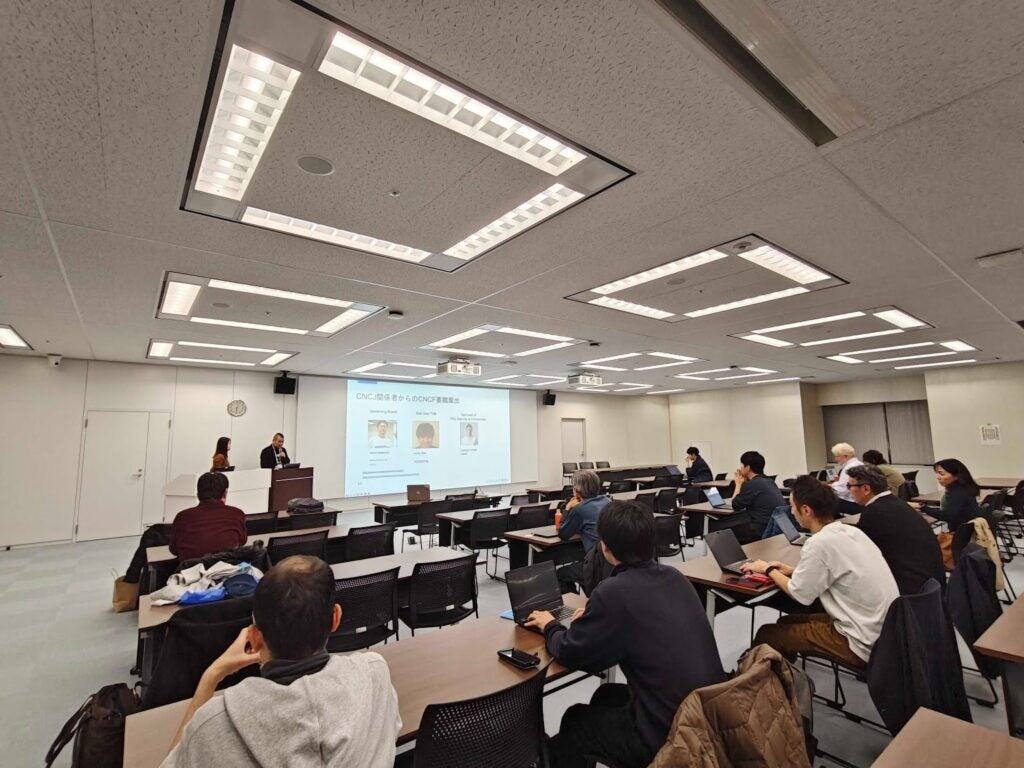
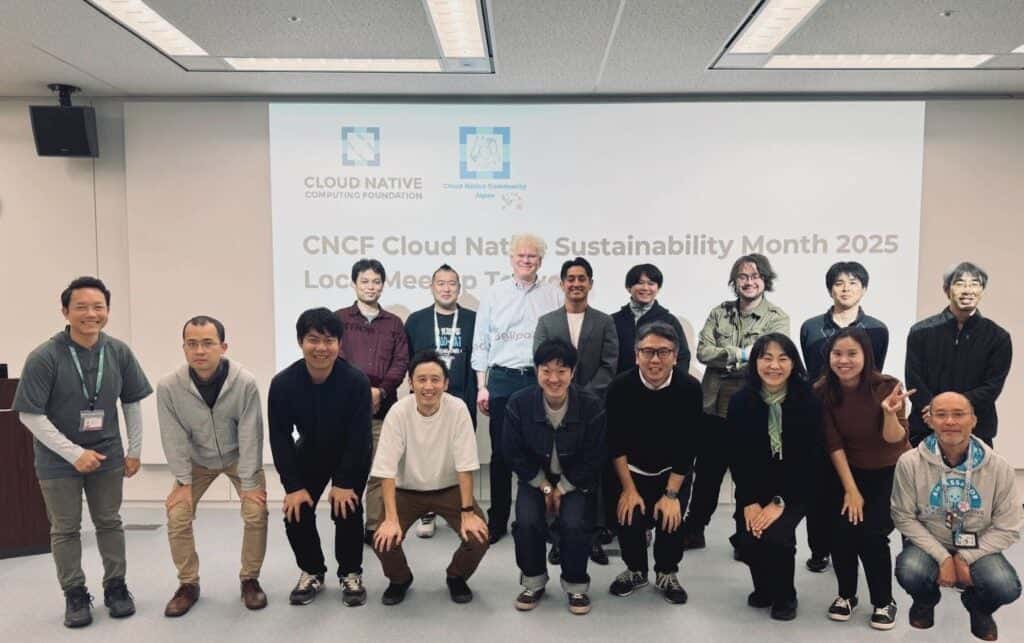
This blog shares highlights from the CNCF Cloud Native Sustainability Month 2025 – Tokyo local meetup, which featured three sessions including a talk from Green Software Foundation, a panel discussion exploring the evolving relationship between FinOps and GreenOps, and a recap of key insights from recent events across both the open source community and academic conferences.
Green Software Foundation (GSF): Where we are and what’s next
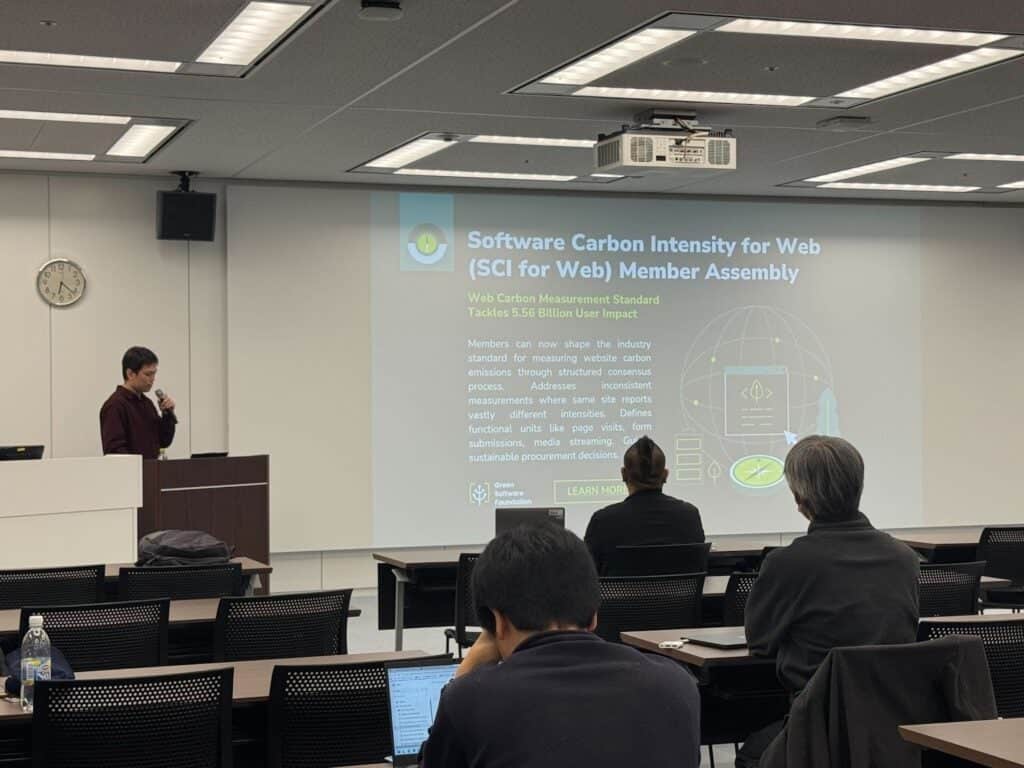
We kicked things off with an insightful talk from Yasumasa Suegana (NTT DATA), who shared the latest direction of the Green Software Foundation. The focus is expanding beyond software to include hardware and AI standardization.
Key initiatives on the horizon include:
- SCI for AI: Developing standardized carbon intensity metrics for AI workloads.
- Green AI Lifecycle: Creating frameworks for sustainable AI development from start to finish.
- SCI for Web: Bringing together members to define sustainability standards for web and cloud-native systems.
The takeaway: Sustainability in software is evolving into a broader conversation that includes hardware, AI, and the web, with organizations like the Green Software Foundation contributing to this work.
From FinOps to GreenOps: What’s working, What’s missing, what’s next
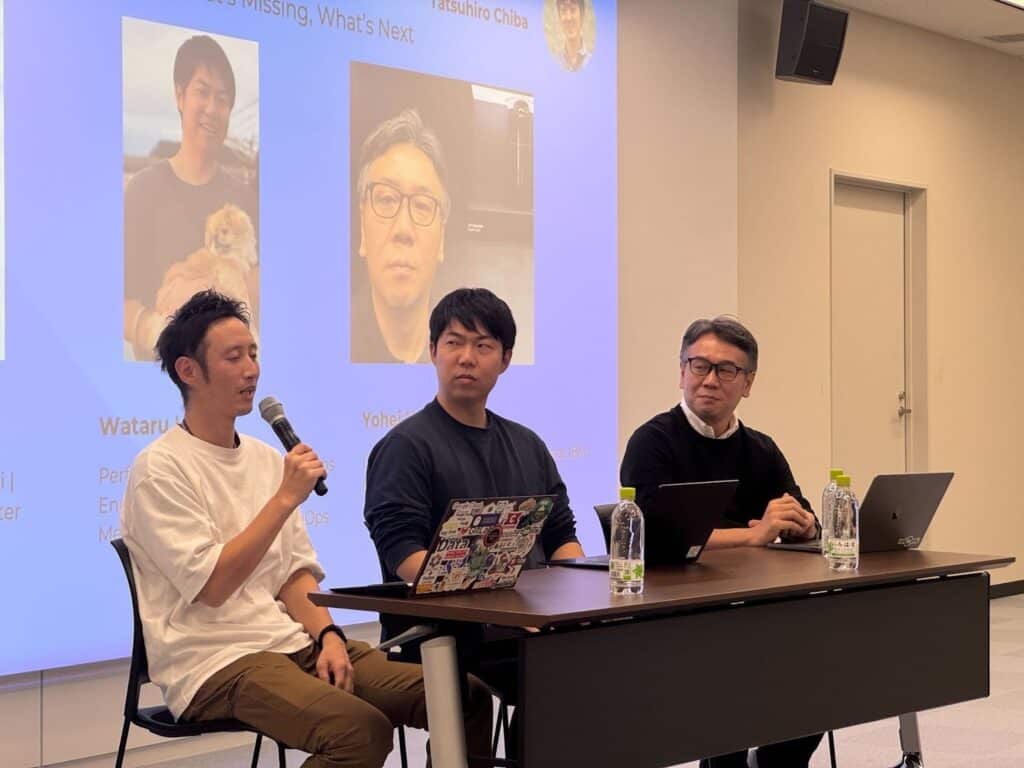
Our panel featured Satoshi Matsuzawa (Hitachi), Wataru Hirano (NTT DATA), and Yohei Nakajima (IBM), who shared insights from the FinOps community and explored how these practices can evolve to support sustainability.
Globally, sustainability is starting to enter the FinOps conversation, but in Japan, the focus remains largely on cost optimization. So how do we move forward?
The panelists suggested a few practical steps:
- Connect carbon impact to financial metrics—for example, tax incentives or membership discounts tied to green reporting.
- Collaborate across communities like the Green Software Foundation (GSF) and CNCF to share resources and accelerate progress.
The takeaway: Transitioning from FinOps to GreenOps won’t happen overnight. It will require creativity, collaboration, and meaningful incentives to make sustainability a core part of financial operations.
Conference recap: Cloud native sustainability insights that matter
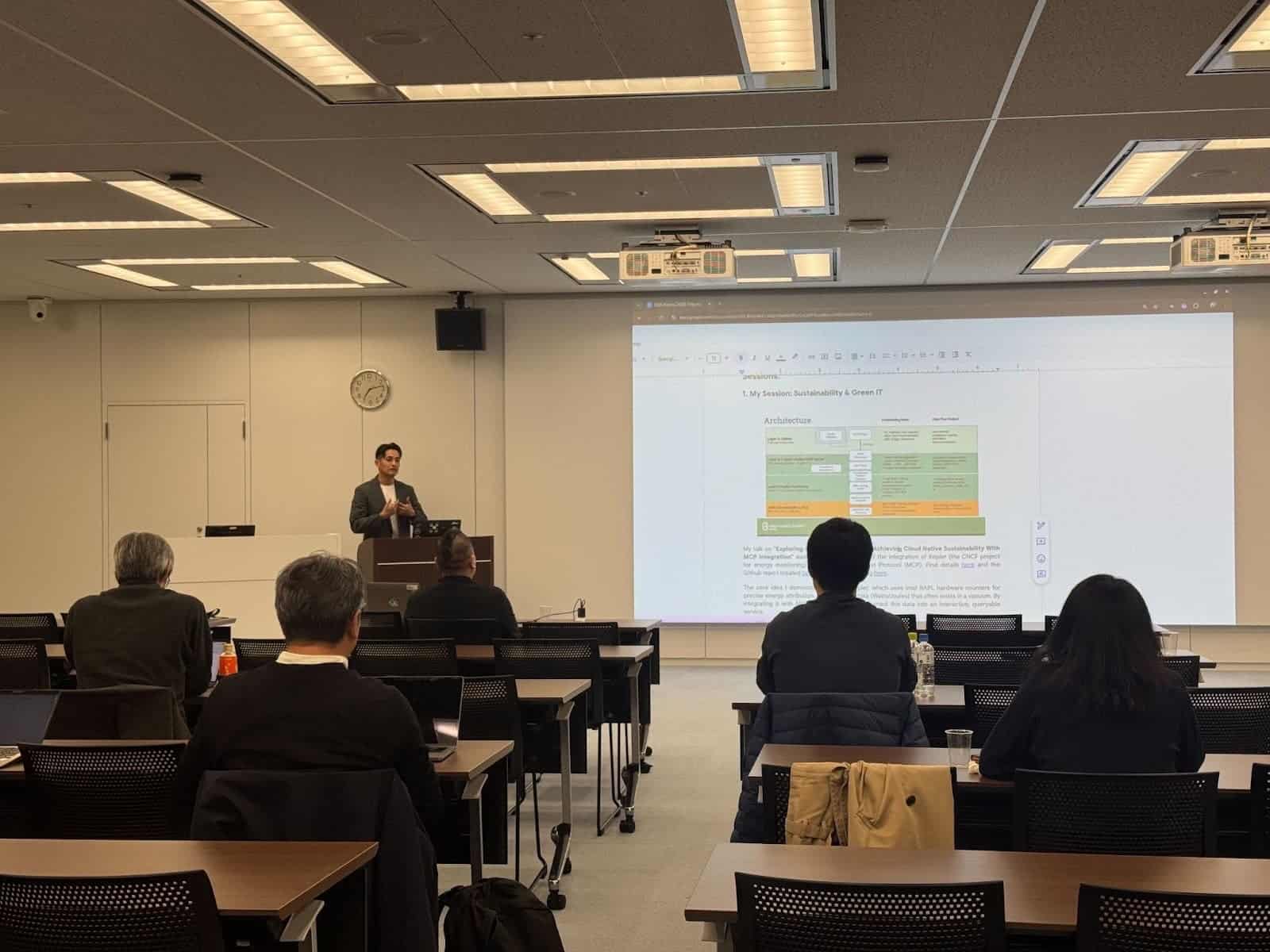
Lastly, we brought together Scott Trent (IBM), Marco Gonzalez (Red Hat), and Takuya Iwatsuka (NTT Computing and Data Science Laboratory) to share sustainability highlights from this year’s events and conferences, including Japan Community Day (pre-event to KubeCon + CloudNativeCon Japan), Open Source Summit Korea, and the Software Engineering in Decarbonized Society workshop during IPSJ/SIGSE Software Engineering Symposium (SES).
Key insights included:
- Performance vs. sustainability: They’re not always at odds. Techniques like space-time workload shifting can leverage greener energy sources—but must avoid shifting to regions with dirtier power (even if it is cheaper).
- Standard metrics and AI optimization: Adopting SCI and using LLMs to optimize software for energy efficiency were top recommendations.
- Live energy insights with MCP: Integrating MCP server with Kepler can provide both real-time dynamic energy consumption data and actionable insights for optimizing workloads. This integration is a practical example of how AI connections can help drive sustainability in cloud-native environments.
- Academic perspective: The SES workshop highlighted methods for measuring and reducing software’s environmental impact. While some companies are already tracking carbon emissions, the challenge lies in collecting actionable data—and the benefits will be long-term, not immediate.
Why this matters
AI and sustainability are not mutually exclusive. By fostering collaboration between FinOps, GreenOps, and cloud-native communities, and adopting standardized metrics and tools, we can ensure innovation aligns with environmental responsibility.
What do to next:
- Think about it together: How can we make sustainability a core part of cloud-native innovation?
- Connect to the community: Join the conversation in CNCF Slack workspace #tag-operational-resilience and share your story and ideas.
- For residents in Japan: Join and stay tuned with the Cloud Native Community Japan (CNCJ) for upcoming events and meetups.